AI fluency, work, and human capability
Become more
capable with AI.
Clear, grounded guidance to help you understand AI, use it well, and develop the thinking, habits, and hands-on skills that make it genuinely useful—at work and in everyday life.
I'm Mike Vallotton, Chief Technology Officer at Sagepath Reply. I've worked professionally in technology since 1996, progressing from hands-on software development and architecture into technology strategy, team leadership, and enterprise delivery.
This site answers practical questions about how AI works, how it changes professional work, where automation creates value, and where human judgment remains essential.
Who this is for
Practical guidance for modern knowledge work
- Executives and business leaders modernizing their organizations
- Department leaders adopting AI with their teams
- Professionals using AI in daily knowledge work
- People building personal AI workflows and automations
My perspective
Capability, not just output
AI is becoming a general-purpose capability for supporting how people think and work.
It can help people research, learn, create, communicate, plan, and execute at a level that was previously out of reach—but only when it is paired with clear goals, good context, deliberate iteration, and human judgment.
Learning to use AI is not primarily about memorizing prompts. It is about developing better habits for working with increasingly capable systems.
More about my perspectiveTopics
Build your AI fluency
Explore topics that help you understand AI, apply it to your work, extend your personal capabilities, and prepare for the systems it is changing.

AI Fundamentals
Understand how AI works, why context and iteration matter, and how to use it responsibly.
Explore AI Fundamentals
AI and Work
Learn how AI is changing workflows, careers, teams, and organizational expectations.
Explore AI and Work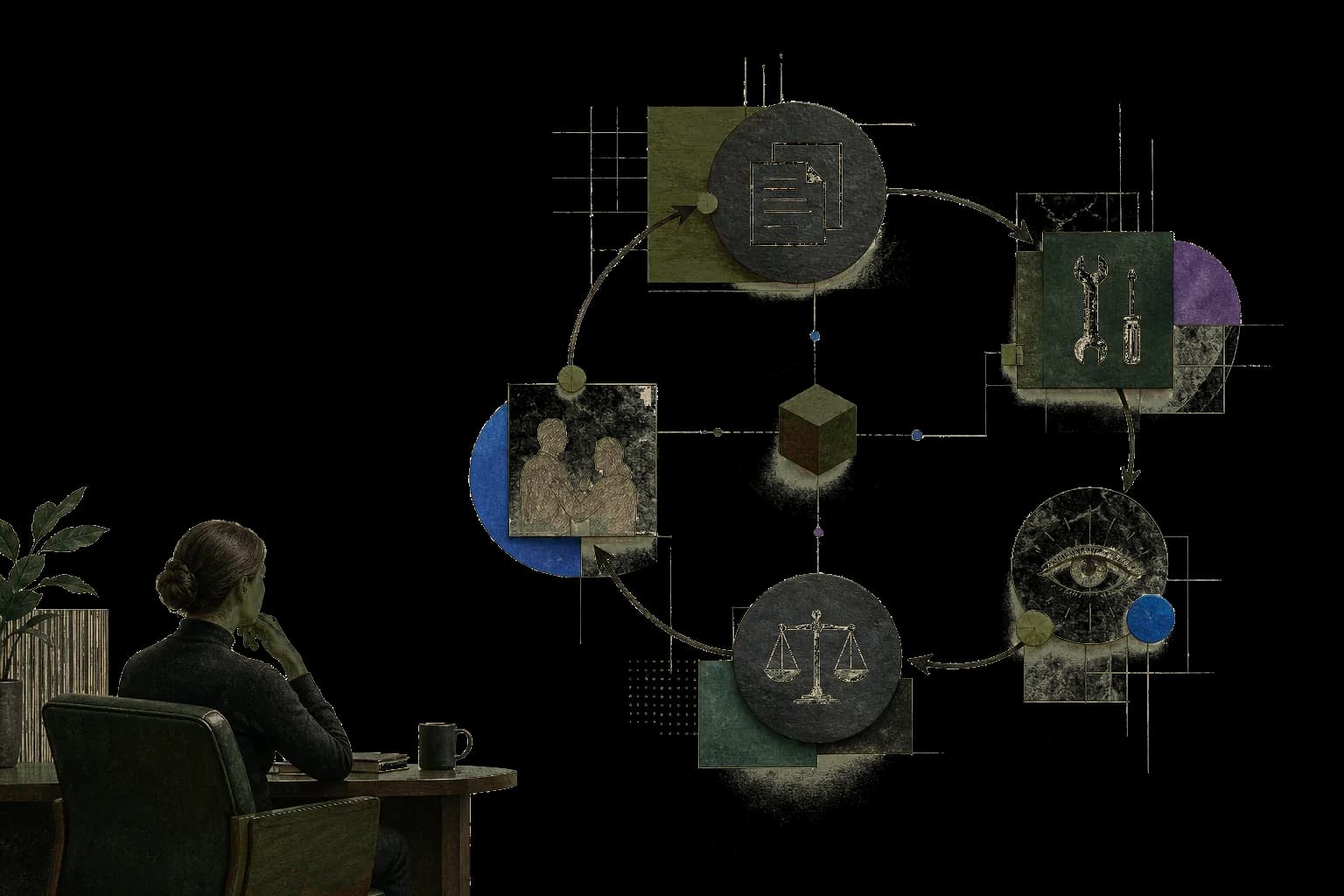
AI Agents
Understand how AI moves from answering questions to completing multi-step work.
Explore AI Agents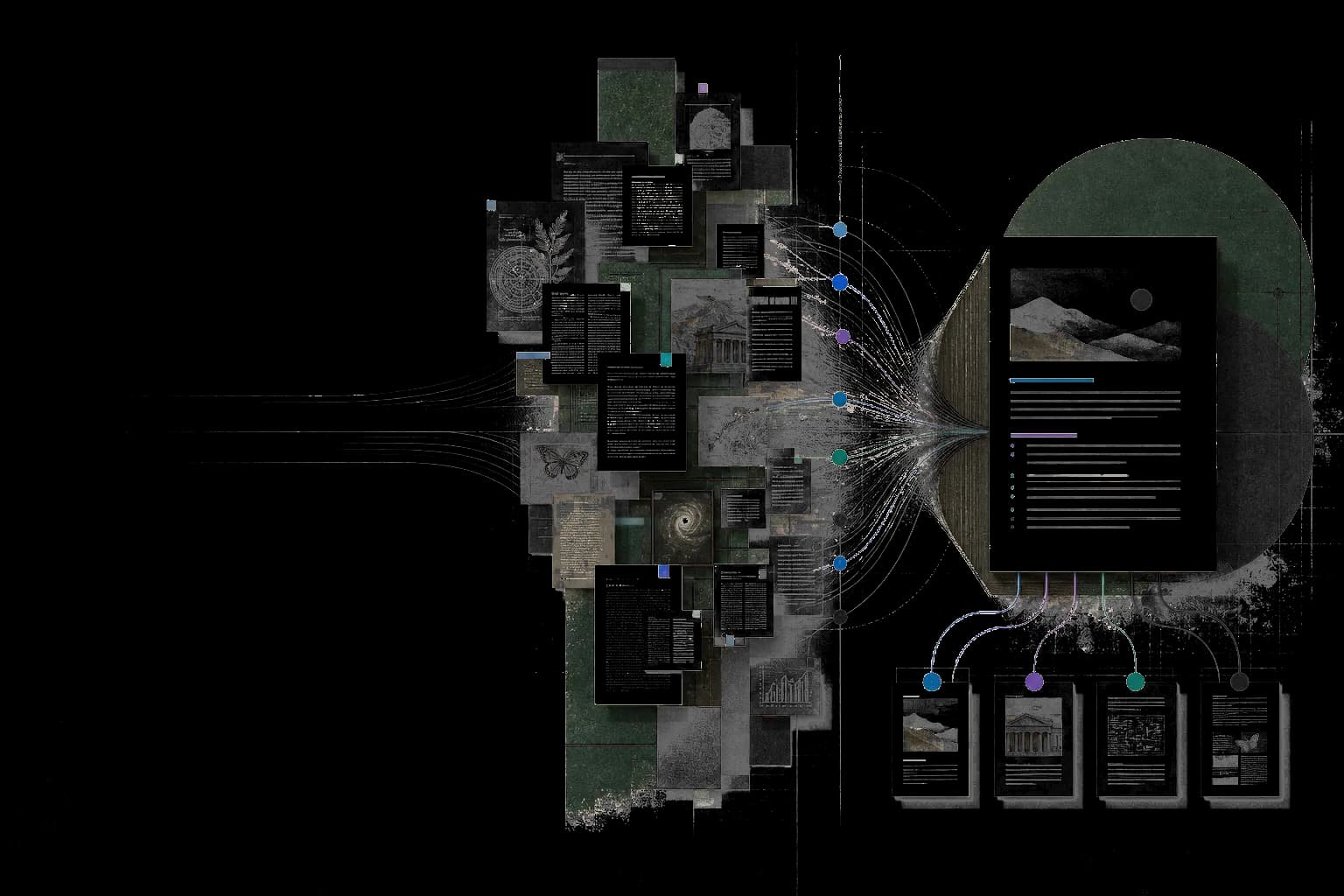
AI Search and GEO
Learn how AI is changing discovery and what makes information understandable and trustworthy to generative systems.
Explore AI Search and GEO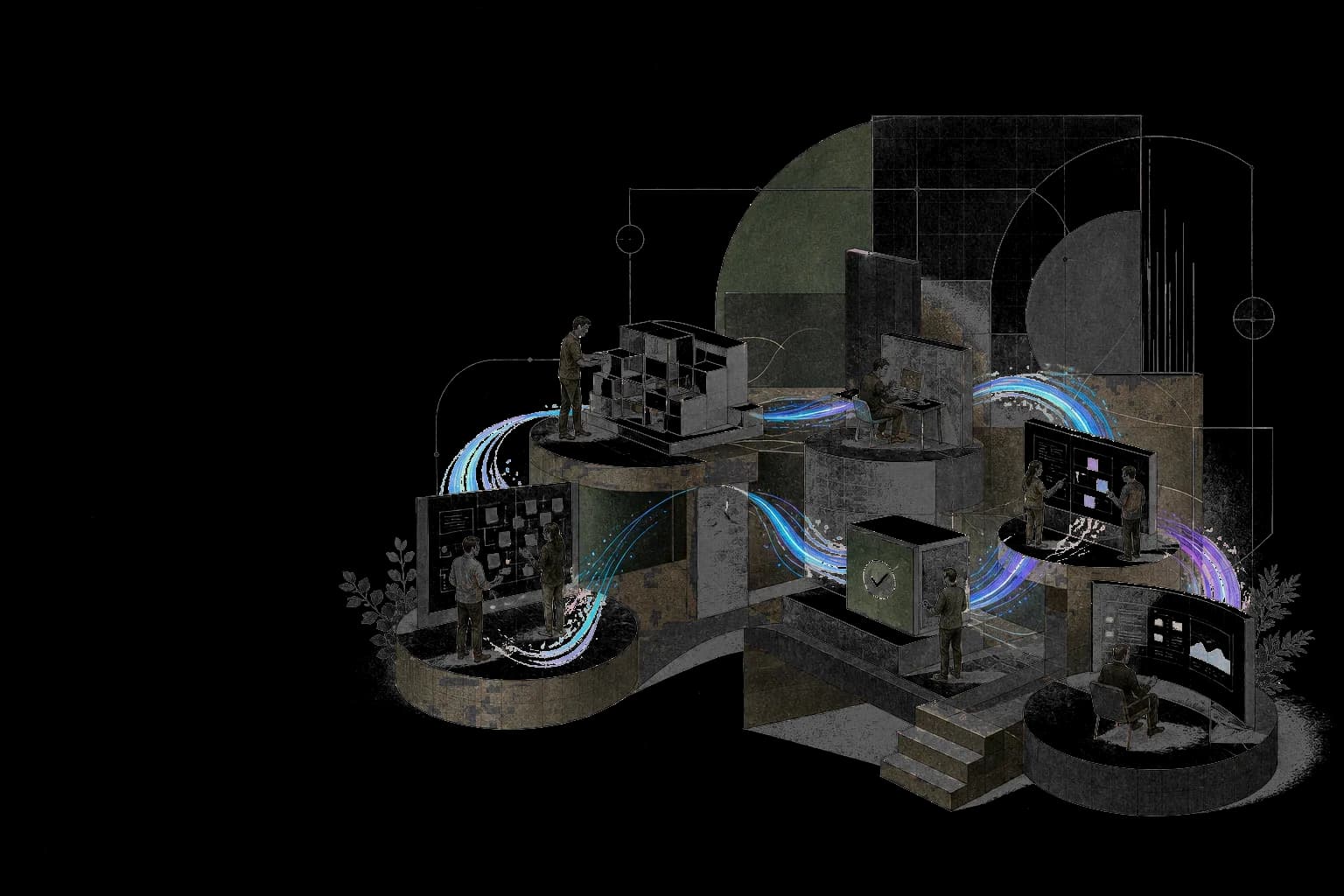
Software Development and AI
Explore how AI changes the development lifecycle, technical roles, and the judgment required to build reliable systems.
Explore Software Development and AI
AI and Thinking
Use AI to support reasoning, learning, creativity, and exploration without outsourcing the thinking that matters.
Explore AI and ThinkingWhy now
Practical capability compounds
AI has crossed into practical capability. People who learn to use it deliberately can research faster, explore ideas more deeply, communicate more clearly, and accomplish work that previously required more time, specialized knowledge, or coordination. Those advantages compound as the habit develops.
A durable approach
Better habits matter more than better prompts.
These principles guide how I evaluate AI tools, design workflows, and teach others to use them.
Clarity before tools
Pause before prompting to name the goal, audience, constraints, and kind of help you need. Clear intent gives the model better context, produces more relevant answers, and reduces the time spent correcting vague output.
Judgment over generation
Let AI expand the options, surface tradeoffs, and accelerate execution, but keep people responsible for deciding what matters. Context, timing, consequences, and the right choice for a particular team or situation still require human judgment.
Bottlenecks over use cases
Look for the places where work waits, gets lost, creates confusion, or demands repeated rework. Applying AI to a real point of friction creates more leverage than adding it broadly simply because the tool can do something.
Quality over speed
Treat the first response as a starting point. Add missing context, correct misunderstandings, test important claims, and iterate until the result is accurate and useful—because speed amplifies errors just as easily as it amplifies progress.
Systems that hold up
Reliable AI depends on the workflow around the model: clean information, clear ownership, sensible permissions, feedback loops, and early checks for mistakes. Design for real organizational conditions, not just a polished demonstration.
About Mike
From hands-on software and architecture to enterprise technology leadership.
I'm an engineer and the Chief Technology Officer at Sagepath Reply. I joined the company as an architect in 2013 and became CTO in 2021. I explain emerging technology plainly, show practical workflows, and focus on systems that hold up beyond the demo.