Operating Principle
Clarity Before Tools
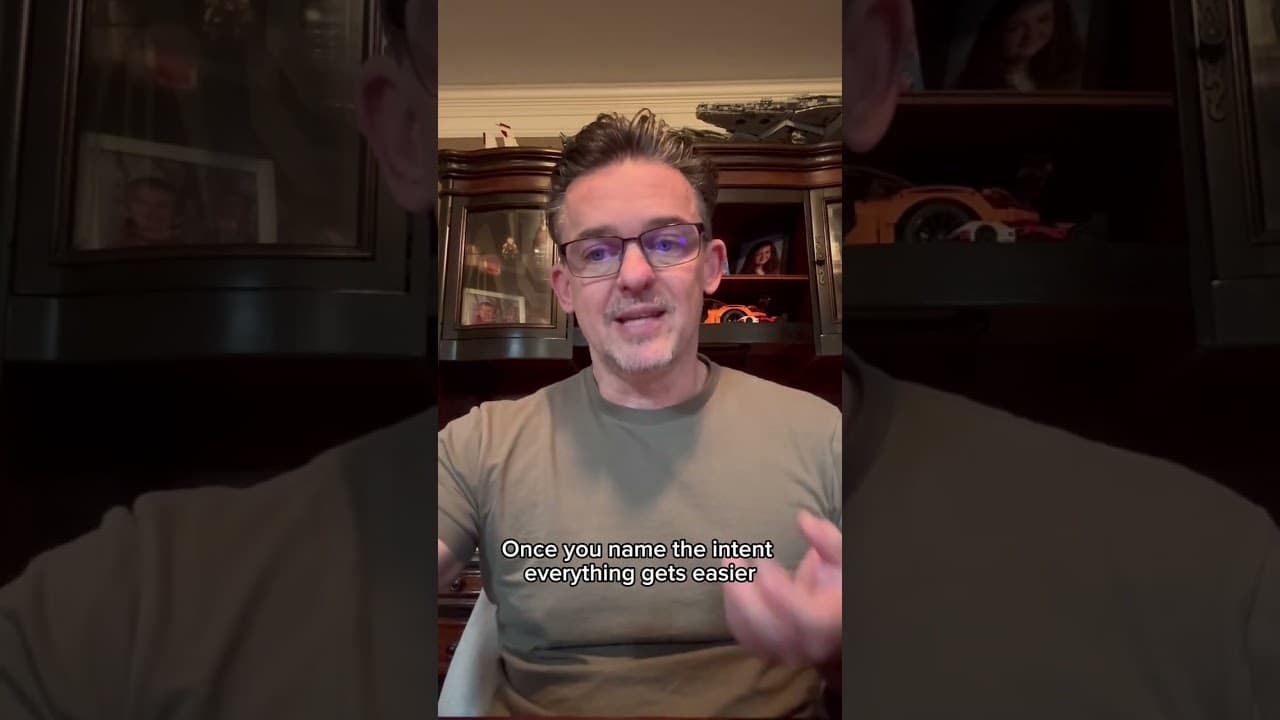
Better AI work starts before the first prompt. It starts by deciding what you are actually trying to accomplish.
Tools make it easy to begin generating before the work is understood. A short pause to name the outcome, audience, constraints, available information, and kind of help you need creates a clearer frame for both you and the model. The point is not to produce a longer prompt. It is to begin with a more precise intention.
Begin with intent
Name the outcome before the task
A request such as “write an email” identifies an activity, but it does not explain what the email needs to accomplish. Is the goal to inform, persuade, resolve a misunderstanding, document a decision, or prompt action? Those outcomes call for different choices even when the deliverable looks the same.
Before involving AI, state the change you want the work to create. Then identify who will use it, what they already know, and what they should understand or do next. This makes the task easier to evaluate because success is tied to an outcome rather than the mere existence of an output.
A practical frame
Give the work a clear brief
A useful brief does not need to be elaborate. For most work, five elements are enough: the goal, the audience, the relevant context, the constraints, and the standard a good result must meet.
The context should include information that changes the answer, not everything you happen to know. Constraints might include time, policy, tone, budget, format, sources, or decisions that have already been made. The quality standard might emphasize accuracy, completeness, usefulness, originality, safety, or maintainability depending on the work.
- What am I trying to accomplish?
- Who is this for, and what do they need?
- What information materially changes the answer?
- Which constraints and tradeoffs matter?
- How will I recognize a useful result?
Then choose the help
Decide what role AI should play
Once the work is clear, choose the kind of assistance that fits it. AI might help you explore options, organize information, challenge assumptions, draft a first version, compare alternatives, or automate a well-understood step. Those are different roles and should not be collapsed into a generic request to “help.”
Sometimes clarity reveals that AI is not the limiting factor. The work may need a decision from a person, access to missing information, agreement about requirements, or a conventional software rule that is more predictable than generation. Starting with the problem keeps the tool subordinate to the outcome.
Refine the frame
Let clarity improve through iteration
You will not always understand the work completely at the beginning. The first response may expose an assumption, missing fact, or unresolved choice. Treat that discovery as useful information. Correct what is wrong, add what is missing, and explain why the response did not meet the goal.
Each round should sharpen the brief rather than merely ask the model to try again. Deliberate iteration turns a vague conversation into an evolving working context. It also makes your own thinking more explicit, which remains useful even if the final work is completed without AI.
Related video
The principle in brief
Practical questions
Frequently asked questions
How do I know whether AI is the right tool for a task?
Start by identifying what is preventing a useful outcome. AI may help when the work involves generating, organizing, comparing, retrieving, classifying, or transforming information. It may not be the right tool when the real constraint is an unresolved decision, missing access, unclear ownership, unavailable source information, or a predictable rule that conventional software can execute more reliably. Choose the approach after understanding the need.
What should I do when I cannot define the outcome clearly?
Treat clarification as the first task. Describe what is known, what remains uncertain, who is affected, and which decision the work should support. AI can help surface assumptions, compare possible problem statements, or identify missing questions, but it should not silently decide the objective. Before moving into execution, a person responsible for the work should confirm what outcome is worth pursuing.