Engineer / CTO / Translator
About Mike Vallotton
I spend most of my time translating between groups that speak different languages: executive leaders, delivery teams, technologists, and now AI systems.
I've worked professionally in technology since 1996, beginning in database administration and hands-on software development before moving through enterprise consulting and architecture into technology leadership. I joined Sagepath Reply as an architect in 2013 and became Chief Technology Officer in 2021.
Today my work sits at the intersection of enterprise digital experience, software architecture, AI, and the redesign of how people and organizations work. That progression still shapes how I approach emerging technology: it has to operate inside real systems, teams, and constraints.
 Three decades in technology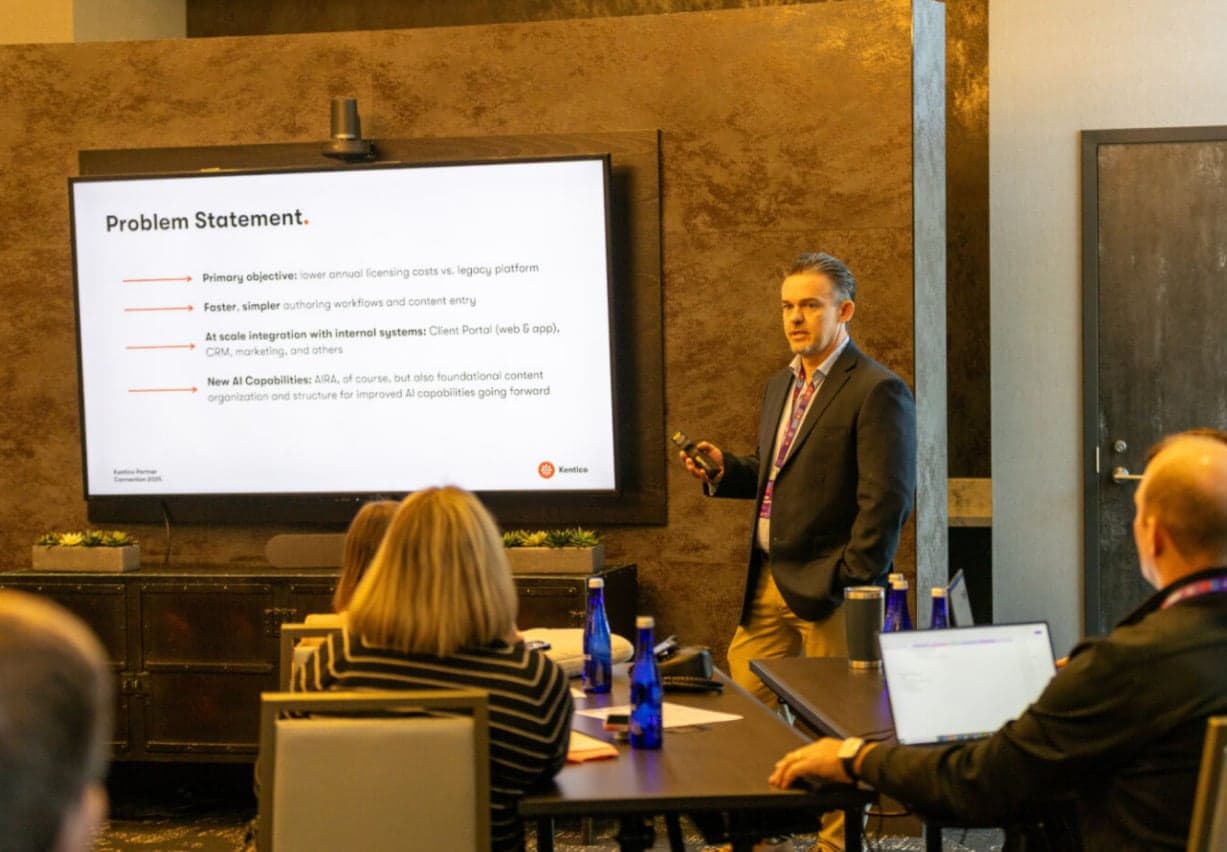
Building AI fluency
I create clear, grounded content that helps people understand AI, use it well, and become meaningfully more capable at work and in everyday life. My goal is to teach the thinking, habits, and hands-on skills that make AI genuinely useful.
Start with AI Fundamentals.
Teaching and speaking
I teach and speak about practical AI adoption, agentic workflows, digital experience, and the changing nature of knowledge work. The emphasis is not simply on what AI can generate, but on the information, architecture, governance, and human judgment required to use it responsibly.
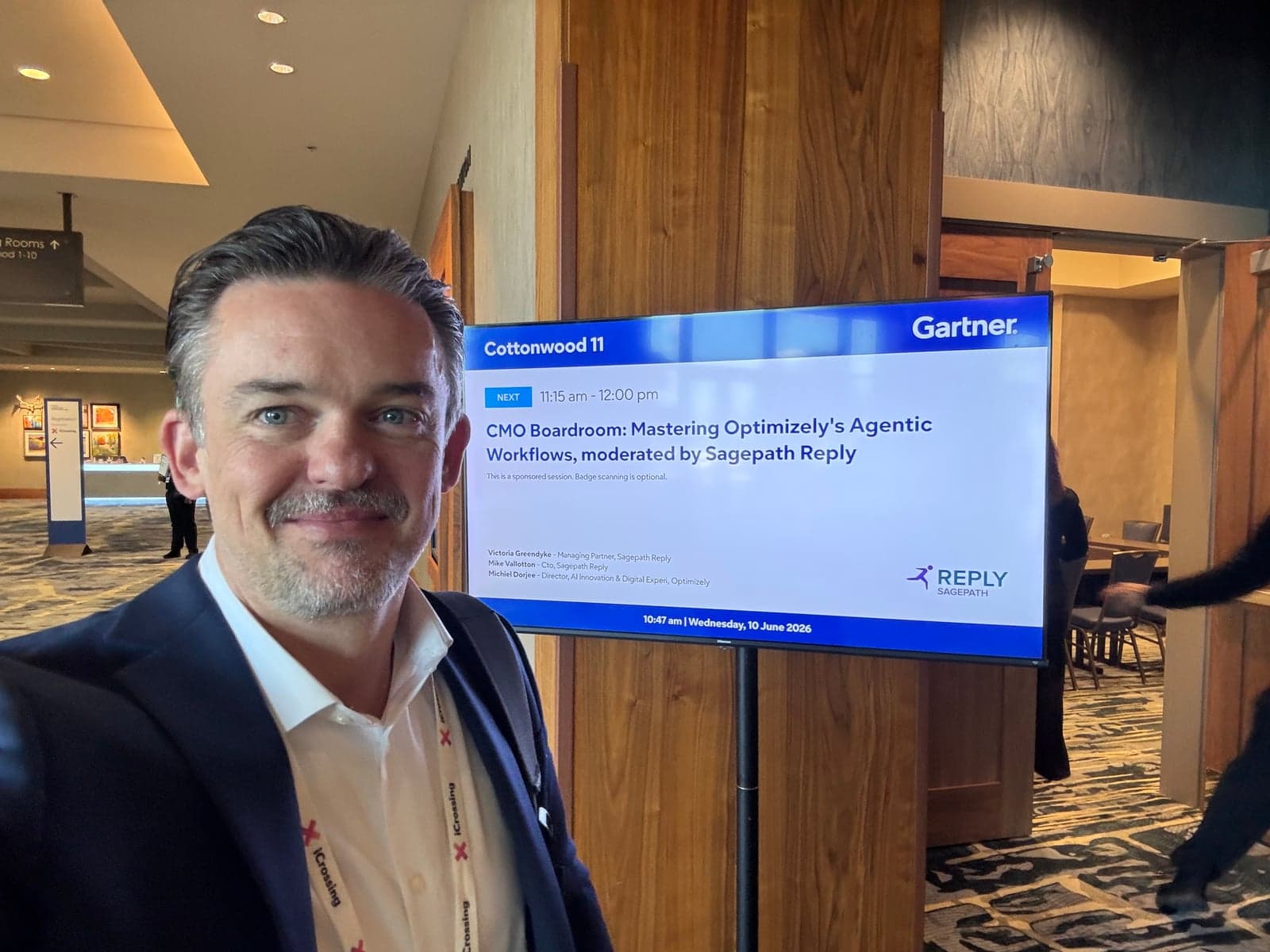
At the 2026 Gartner Marketing Symposium/Xpo, I helped lead the CMO Boardroom roundtable AI-Native Marketing: What Every CMO Must Do Now, exploring the Agentic Web, generative engine optimization, organizational AI adoption, and how AI-mediated discovery is changing marketing operations and customer journeys.
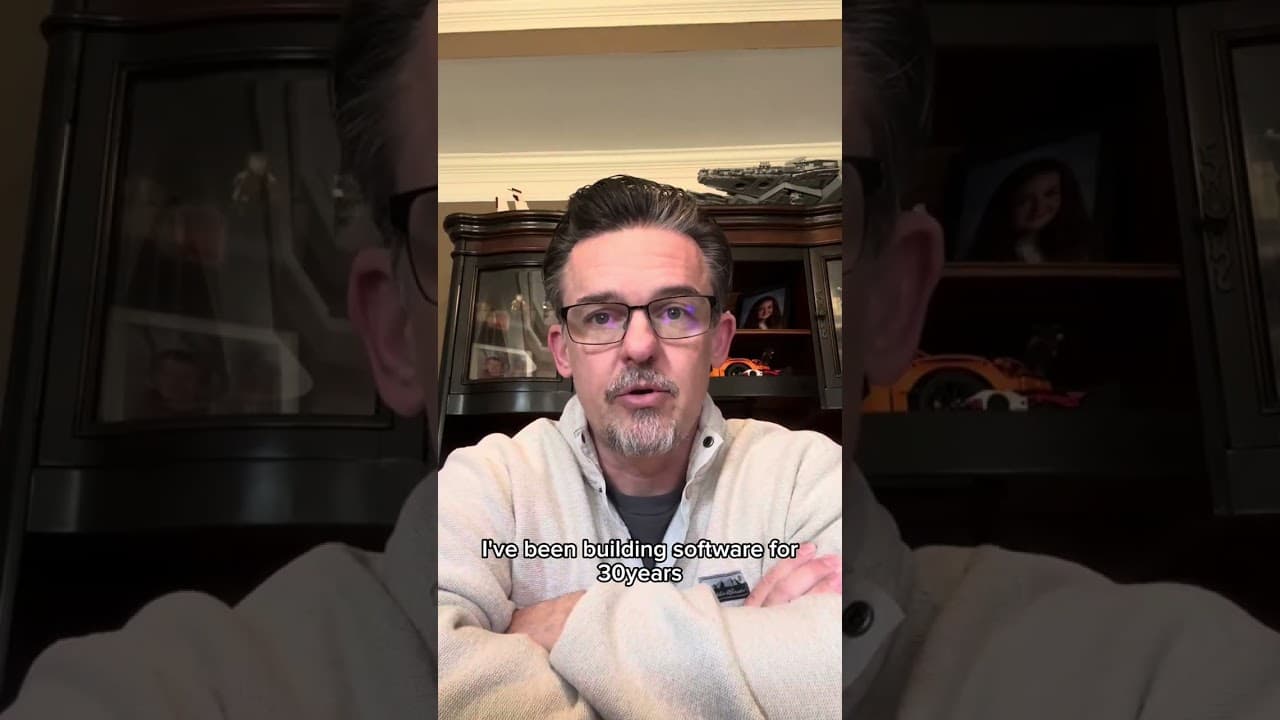
AI is changing work faster than most people can process
AI is already reshaping how work gets done across every industry, not just tech. This video introduces the series and explains why the shift is real, immediate, and already affecting every role, from developers to designers to executives.
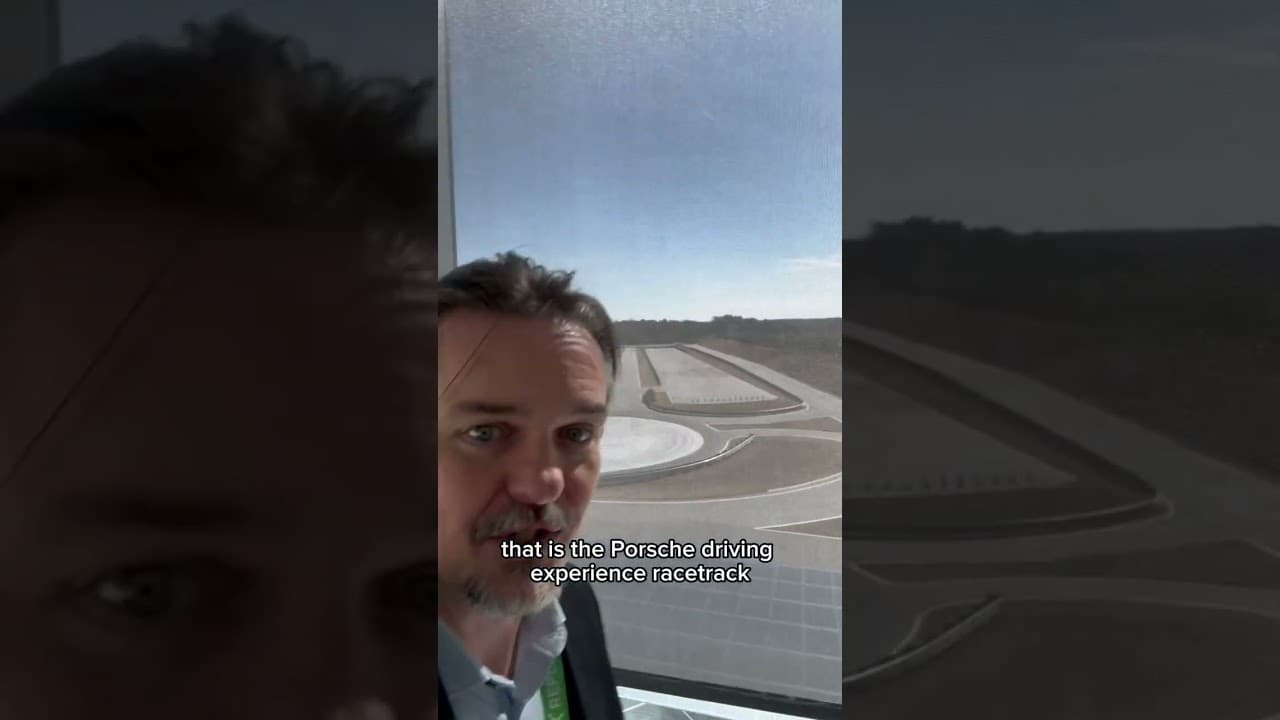
Teaching at Porsche
Executives across industries are actively confronting rapid AI driven shifts in customer behavior, staffing, and digital architecture. Leaders are focused on adapting responsibly, structuring content for AI mediated discovery, and evolving organizations without breaking them.
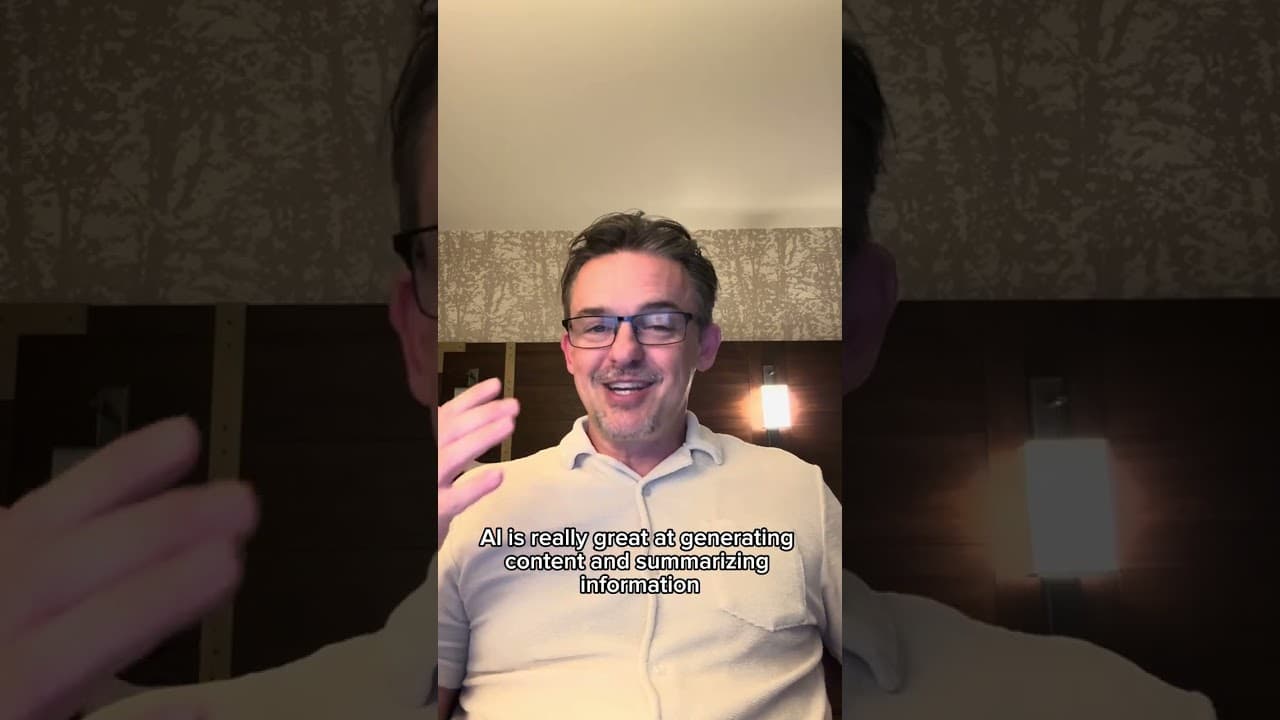
Where AI Is Overestimated and Underestimated Today
Organizations often focus on AI’s current capabilities, but the bigger issue is how it will reshape operations over the next three to five years. Key opportunities and risks emerge in tools, workflows, discovery, software economics, and trust.
Why now
AI has reached a new equilibrium: practical capability. Teams are already feeling the effects, and early adopters are pulling ahead because capability compounds. The habits you build now determine whether you fall behind or move ahead of the curve.
Judgment remains human
AI can generate options and make bounded choices inside systems people design, but it cannot determine the values, responsibilities, and consequences that define sound human judgment. I focus on strengthening that judgment while using AI to remove friction.
Closing the habit gap
The main barrier is habits, not knowledge. Most people still work the way they did before AI existed, and organizations adapt even more slowly. I teach clarity, iteration, structure, reasoning, and tool usage: a modern workflow where human judgment and machine capability work together.
How I operate
Clarity before tools
Pause before prompting to name the goal, audience, constraints, and kind of help you need. Clear intent gives the model better context, produces more relevant answers, and reduces the time spent correcting vague output.
Judgment over generation
Let AI expand the options, surface tradeoffs, and accelerate execution, but keep people responsible for deciding what matters. Context, timing, consequences, and the right choice for a particular team or situation still require human judgment.
Bottlenecks over use cases
Look for the places where work waits, gets lost, creates confusion, or demands repeated rework. Applying AI to a real point of friction creates more leverage than adding it broadly simply because the tool can do something.
Quality over speed
Treat the first response as a starting point. Add missing context, correct misunderstandings, test important claims, and iterate until the result is accurate and useful—because speed amplifies errors just as easily as it amplifies progress.
Systems that hold up
Reliable AI depends on the workflow around the model: clean information, clear ownership, sensible permissions, feedback loops, and early checks for mistakes. Design for real organizational conditions, not just a polished demonstration.
What I'm not doing
I'm not interested in AI theater, isolated pilots without ownership, or tool-of-the-week content. I'm focused on durable workflows, governance, and the habits that compound.
My role
I'm an engineer and CTO whose work spans technical architecture, enterprise delivery, team leadership, and applied AI. I translate emerging capabilities into practical decisions, workflows, and systems that can hold up under real organizational constraints. My perspective comes from building and leading the work.
At the 2026 Gartner Marketing Symposium/Xpo, I helped lead a CMO Boardroom roundtable on AI-native marketing and the Agentic Web.
Editorial approach
This site reflects my professional experience, analysis, and point of view. I use external evidence to support important factual claims while remaining responsible for the conclusions and practical guidance I draw from it. Sources do not necessarily endorse those conclusions. I update articles when the evidence or the technology changes materially.
To suggest a correction, connect with me through LinkedIn.
Work with me
I work with large organizations and enterprise transformation initiatives through my role at Sagepath Reply. I also independently consider select advisory work with small businesses, along with speaking, teaching, and workshop opportunities.